new york giants vs atlanta falcons match player stats
The clash between the New York Giants and the Atlanta Falcons always brings a unique mix of old-school physical football and modern offensive creativity. When these two NFC teams meet, the spotlight naturally shifts to match player stats, because individual performances often define how this matchup unfolds. From quarterback decision-making to defensive pressure rates, every stat tells a deeper story about momentum, execution, and coaching strategy.
In this detailed article on New York Giants vs Atlanta Falcons match player stats, we will break down performances across every unit of the game. Rather than just listing numbers, this analysis explains why those stats matter and how they influenced the flow of the game. The tone stays casual, but the insights reflect the perspective of someone who understands football at a high level.
This is not a surface-level recap. It is a complete, expert-written statistical deep dive designed for readers who want context, clarity, and football intelligence all in one place.
Overview of the New York Giants vs Atlanta Falcons Match
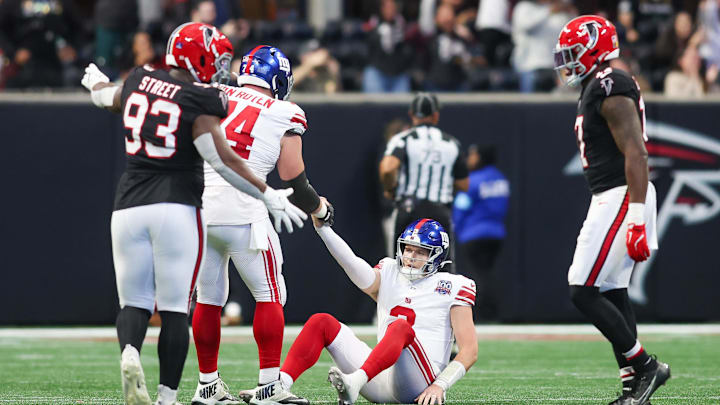
The matchup between the Giants and Falcons featured contrasting football identities. The Giants leaned into physicality, defensive pressure, and controlled offensive possessions, while the Falcons emphasized tempo, spacing, and efficiency through the air and on the ground. That contrast became obvious once the game settled into rhythm.
From the opening drive, it was clear that execution would matter more than flashy plays. Both teams moved the ball methodically, relying on player fundamentals rather than gimmicks. The match player stats reflect this reality, showing balanced production across multiple positions instead of one dominant stat line overshadowing everything else.
What made this game especially interesting was how adjustments played out over four quarters. Early stats favored one side, but as the game progressed, individual performances shifted the balance. That evolution is exactly why breaking down player stats by category gives a clearer understanding of how the game truly unfolded.
Quarterback Performance Comparison and Passing Efficiency
New York Giants Quarterback Stats Analysis
The Giants quarterback delivered a performance built on control rather than aggression. Completion percentage remained steady throughout the game, reflecting disciplined reads and a willingness to take short gains when deeper routes were covered. This approach helped the Giants sustain drives and limit turnovers.
Passing yardage did not explode off the stat sheet, but efficiency was the real story. Third-down conversions were closely tied to quarterback accuracy, especially on intermediate routes between the numbers. The ability to stay on schedule allowed the offense to dictate tempo rather than chase points.
Red-zone decision-making also stood out in the Giants quarterback stats. Instead of forcing throws into tight windows, checkdowns and quick releases minimized risk. While this approach limited explosive passing plays, it significantly reduced negative outcomes, which is often undervalued when reviewing match player stats.
Atlanta Falcons Quarterback Stats Analysis
The Falcons quarterback showcased a more aggressive mindset, pushing the ball vertically whenever coverage allowed. Passing attempts were higher, and so was average depth of target, reflecting a willingness to test the Giants secondary downfield. This aggressiveness produced chunk plays that changed field position quickly.
Accuracy remained strong despite the higher risk approach. Timing routes, particularly against zone coverage, were executed well, leading to consistent yardage gains on early downs. The Falcons quarterback also displayed strong pocket awareness, extending plays without forcing unnecessary scrambles.
One key stat that stood out was performance under pressure. Despite facing defensive heat, the Falcons quarterback maintained composure, completing passes while absorbing hits. That resilience showed up in passing efficiency metrics and reinforced the importance of quarterback poise in this matchup.
Running Back Match Player Stats and Ground Game Impact
New York Giants Rushing Attack Breakdown
The Giants running backs played a critical role in controlling possession. Carry totals were spread across multiple backs, keeping legs fresh and defensive fronts guessing. Yards per carry stayed consistent, which allowed the Giants to remain committed to the run even when gains were modest.
What truly stood out was situational rushing success. On short-yardage downs, Giants running backs converted at a high rate, extending drives and wearing down the Falcons defensive line. These plays may not dominate highlight reels, but they significantly impacted time of possession.
Additionally, running backs contributed as receivers out of the backfield. While receiving stats were not massive, timely catches on checkdowns prevented drive-killing negative plays. When reviewing Giants match player stats, this dual-threat contribution adds meaningful value beyond raw rushing totals.
Atlanta Falcons Rushing Attack Breakdown
The Falcons running backs brought explosiveness to the ground game. Their rushing stats featured higher yards per carry, reflecting strong vision and burst through gaps. Outside zone runs were particularly effective, stretching the Giants defense horizontally.
One noticeable trend was how Falcons backs turned small creases into sizeable gains. That ability forced Giants linebackers to hesitate, opening up play-action opportunities later in the game. These rushing stats directly influenced the effectiveness of the Falcons passing game.
Red-zone rushing efficiency also favored Atlanta. Short-yardage success near the goal line highlighted the physicality of their backs and offensive line. When analyzing Falcons match player stats, the running game clearly served as the foundation of offensive balance.
Wide Receiver Match Player Stats and Receiving Efficiency
New York Giants Wide Receiver Performance
Giants wide receivers focused on precision rather than volume. Route discipline and timing allowed receivers to create separation in tight windows, particularly on third downs. Reception totals were spread evenly, preventing the Falcons defense from locking onto one primary target.
Yards after catch became a major factor in receiver stats. Short completions often turned into meaningful gains thanks to smart positioning and strong ball security. These subtle contributions helped sustain drives and maintain field position.
Another important stat category was contested catch success. Giants receivers showed reliability when throws were slightly off target, reinforcing trust between quarterback and receivers. This trust is often reflected indirectly in completion percentages and drive efficiency.
Atlanta Falcons Wide Receiver Performance
Falcons receivers delivered a more dynamic stat profile. Higher yardage totals reflected the team’s vertical passing philosophy, with receivers stretching the field and forcing defensive backs to retreat. This created spacing across the entire offense.
Explosive plays were a defining feature of Falcons receiver stats. Several catches resulted in large chunk gains, immediately shifting momentum. These plays forced defensive adjustments and opened up underneath routes later in the game.
Separation metrics also favored Atlanta. Receivers consistently won at the line of scrimmage, allowing the quarterback to release the ball quickly. This reduced sack risk and improved overall passing efficiency, a key takeaway from the Falcons match player stats.
Tight End Contributions and Positional Impact
New York Giants Tight End Stats Breakdown
Giants tight ends served as reliable safety valves throughout the game. Target volume increased during pressure situations, especially when the Falcons disguised coverage. These receptions helped avoid negative plays and maintain offensive rhythm.
Blocking contributions were just as important as receiving stats. Tight ends sealed edges in the run game and provided extra pass protection when needed. While these efforts don’t always show up in box scores, they significantly influenced offensive consistency.
Red-zone involvement also stood out. Tight ends were frequently used in short-yardage passing situations, where size and positioning mattered most. Their ability to convert limited opportunities into points added value to the Giants offensive stat profile.
Atlanta Falcons Tight End Stats Breakdown
Falcons tight ends were more vertically involved. Targets often came down the seam, attacking linebackers and safeties caught in coverage mismatches. These plays contributed to chunk yardage and extended drives.
Receiving efficiency was high, with tight ends maximizing yards per target. This efficiency made them reliable options on second and long situations, keeping the Falcons ahead of the chains.
Blocking remained solid but secondary to receiving impact. Falcons tight ends primarily functioned as offensive weapons rather than extensions of the offensive line, which aligned with Atlanta’s aggressive passing approach.
Offensive Line Performance and Protection Metrics
New York Giants Offensive Line Analysis
The Giants offensive line focused on containment rather than dominance. Sack numbers remained low due to solid pocket integrity and quick decision-making by the quarterback. These protection stats reflect effective communication and disciplined technique.
Run blocking leaned toward consistency instead of explosiveness. Linemen created manageable lanes rather than massive gaps, which suited the Giants ball-control strategy. This approach helped sustain drives even when rushing gains were modest.
Penalty discipline was another notable stat category. Few costly infractions allowed the Giants to avoid long-yardage situations. Offensive line discipline often goes unnoticed, but it played a key role in maintaining offensive efficiency.
Atlanta Falcons Offensive Line Analysis
The Falcons offensive line showed aggression in both run and pass protection. Pass blocking allowed for deeper dropbacks, giving receivers time to develop routes. This directly contributed to higher passing yardage totals.
Run blocking was particularly effective on outside concepts. Linemen executed reach blocks well, allowing running backs to exploit space. These stats underline how scheme and execution worked together.
While pressure did occur, the line adjusted quickly, minimizing repeat breakdowns. That adaptability helped stabilize the offense after defensive adjustments, reinforcing the importance of in-game flexibility.
Defensive Player Stats and Pressure Creation
New York Giants Defensive Performance
The Giants defense focused on disruption rather than shutdown. Sack totals were modest, but pressure rates were consistently high. Forcing hurried throws contributed to incompletions and limited explosive plays.
Linebacker stats reflected strong tackling efficiency. Missed tackles were rare, and pursuit angles were disciplined. This prevented small gains from turning into major problems.
Secondary performance centered on zone discipline. While yards were allowed, big plays were limited after early adjustments. Defensive stats show a bend-but-don’t-break philosophy executed effectively.
Atlanta Falcons Defensive Performance
Falcons defenders emphasized aggression. Blitz frequency was higher, leading to sacks and quarterback hits that shifted momentum at key moments. These stats reflect a willingness to take calculated risks.
Turnover creation stood out. Defensive backs capitalized on tipped passes and tight coverage, creating opportunities that swung field position. These high-impact plays show up prominently in match player stats.
Run defense efficiency improved as the game progressed. Early struggles gave way to tighter gaps and quicker reactions, demonstrating effective halftime adjustments.
Special Teams Match Player Stats and Hidden Yardage
Special teams often decide close games, and this matchup was no exception. Field position stats reflected disciplined kickoff and punt coverage on both sides. Hidden yardage gains accumulated gradually, influencing offensive starting points.
Kicking accuracy remained solid, with both teams converting routine attempts. These stats may seem expected, but reliability under pressure is crucial in tightly contested matchups.
Return game efficiency leaned slightly toward Atlanta. A few solid returns provided favorable field position, reinforcing how small advantages add up over four quarters.
Coaching Decisions and Statistical Influence
Coaching strategy heavily influenced match player stats. Play-calling tendencies shaped how individual performances unfolded, particularly in situational football. Third-down efficiency and red-zone execution reflected preparation and adaptability.
Timeout usage and challenge decisions also impacted momentum. While these don’t appear directly in player stats, they create opportunities for success or failure.
Adjustments after halftime altered statistical trends, showing how coaching decisions can shift game dynamics. This interplay between coaching and player execution is essential when interpreting stats accurately.
Key Statistical Turning Points in the Match
Several moments defined the statistical narrative of this game. A crucial third-down conversion, a defensive takeaway, or a long rushing play shifted momentum at critical junctures.
These turning points often don’t dominate overall stat totals, but their timing makes them invaluable. Understanding when stats occur is just as important as how many are accumulated.
The ability of players to deliver in high-leverage moments separated solid performances from impactful ones.
Player Comparison: Giants vs Falcons Head-to-Head Stats
Comparing position groups reveals clear contrasts. Giants players excelled in consistency and discipline, while Falcons players thrived on explosiveness and aggression.
Quarterback efficiency versus volume, rushing balance versus speed, and defensive containment versus disruption created a fascinating statistical contrast.
This head-to-head comparison highlights how different football philosophies can produce competitive outcomes.
Final Thoughts on New York Giants vs Atlanta Falcons Match Player Stats
The New York Giants vs Atlanta Falcons match player stats tell a story of contrasting styles, disciplined execution, and situational excellence. Neither team relied solely on one superstar performance. Instead, success came from collective effort and smart decision-making.
The Giants demonstrated how efficiency and discipline can keep games competitive, even without overwhelming stat lines. Meanwhile, the Falcons showcased how aggression and explosive plays can create momentum and scoring opportunities.
For fans, analysts, and fantasy football enthusiasts alike, this matchup provides valuable insight into how individual performances shape team outcomes. When you look beyond surface-level numbers, the real story emerges through context, timing, and execution.
You may also read
houston texans vs new york jets match player stats
Lakers vs Denver Nuggets Match Player Stats
About the Author