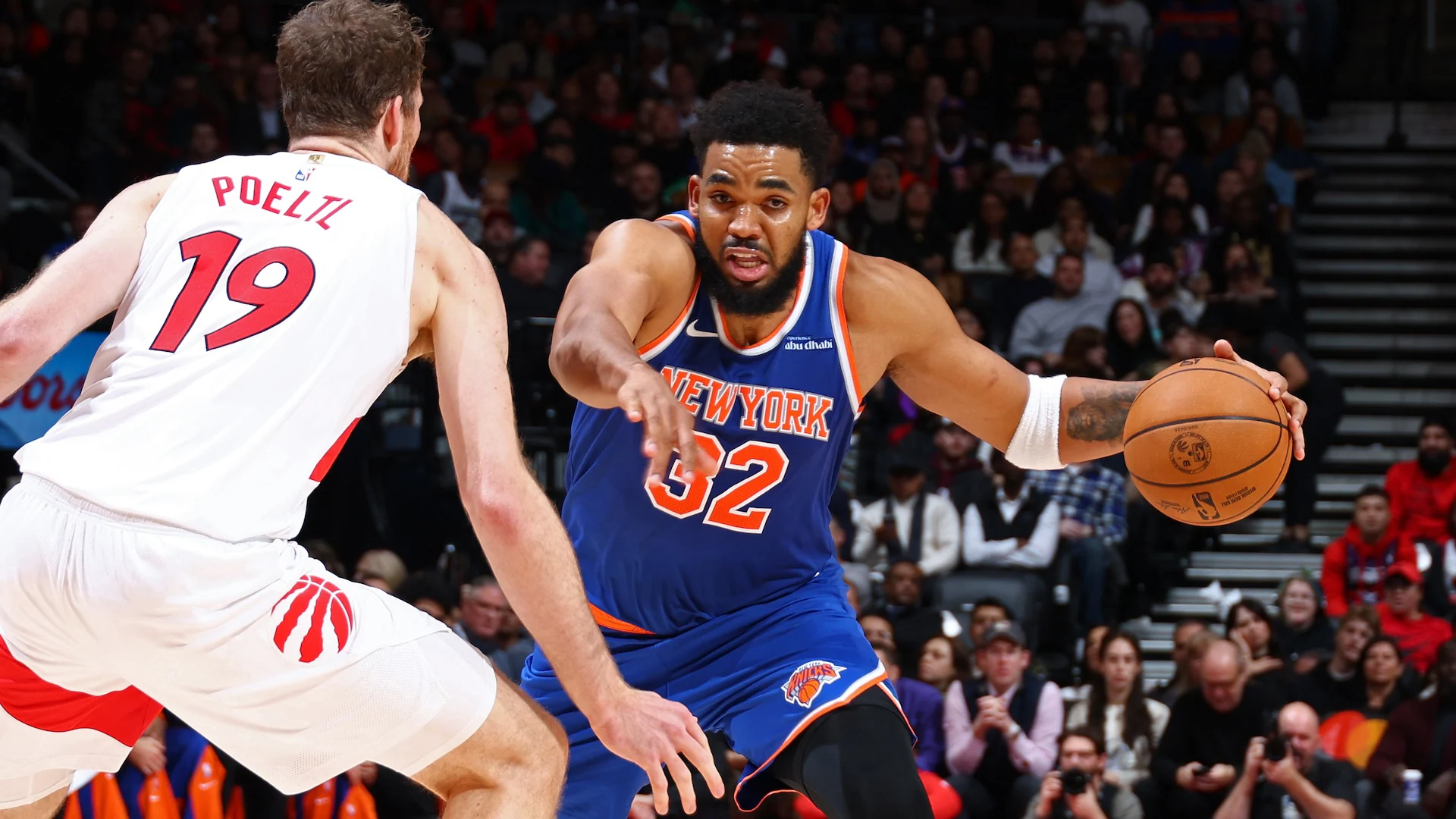
knicks vs toronto raptors match player stats
The Knicks vs Toronto Raptors match player stats tell a far deeper story than the final score ever could. When two physical, defense-oriented Eastern Conference teams collide, the numbers reveal who controlled the tempo, who made winning plays, and who struggled when the pressure increased. This matchup was not just about star power; it was about execution, adjustments, and consistency across four demanding quarters.
From the opening tip to the final buzzer, the Knicks and Raptors delivered a competitive, high-energy contest that showcased contrasting styles. New York leaned into structure, half-court execution, and rebounding dominance, while Toronto relied on pace, length, and ball movement. The individual player stats help explain how these approaches clashed and which team ultimately gained the upper hand.
In this article, we take a deep, expert-level look at the Knicks vs Toronto Raptors match player stats, breaking down every major contributor, analyzing advanced trends, and explaining how individual performances shaped the flow of the game. Whether you’re a casual fan or a stats-focused basketball enthusiast, this complete breakdown gives you everything you need to understand what truly happened on the floor.
Game Overview: How the Knicks and Raptors Set the Tone
Before diving into individual player stats, it’s important to understand the overall context of the matchup. The Knicks entered the game looking to impose physicality, especially in the paint, while the Raptors aimed to disrupt rhythm through aggressive defense and quick transitions. From the first quarter, it was clear this would be a tightly contested battle rather than a high-scoring shootout.
The pace of the game favored New York early. The Knicks slowed possessions, forced Toronto into half-court sets, and controlled rebounds on both ends. Toronto responded with defensive pressure, forcing turnovers and creating scoring chances off mistakes. This push-and-pull dynamic shaped how player stats accumulated across the night.
What stands out most in the Knicks vs Toronto Raptors match player stats is balance. Neither team relied solely on one superstar performance. Instead, contributions came from multiple players, making this matchup a perfect case study for understanding how team basketball translates into statistical output.
New York Knicks Offensive Performance: Efficiency Over Flash
Ball Movement and Shot Selection
The Knicks’ offensive stats reflect a disciplined, methodical approach. Rather than rushing shots, New York prioritized high-percentage looks, particularly in the mid-range and paint. Their assist totals may not have been flashy, but they were timely, often coming late in the shot clock after forcing defensive rotations.
This deliberate style helped the Knicks maintain scoring consistency. While there were brief droughts, the team rarely looked rushed or out of control. The Knicks vs Toronto Raptors match player stats clearly show New York’s emphasis on efficiency over volume, especially from their primary scorers.
The Knicks also benefited from strong screening and off-ball movement. These subtle elements don’t always jump off the stat sheet, but they created space that allowed shooters to operate comfortably.
Star Scorer Impact for the Knicks
New York’s leading scorer delivered exactly what the team needed: controlled aggression. His point total reflected not just shot-making ability but smart decision-making. Rather than forcing contested attempts, he attacked mismatches and drew fouls, boosting both his scoring and free-throw efficiency.
Beyond points, his stat line included solid rebounding and assist numbers, highlighting his all-around impact. In the Knicks vs Toronto Raptors match player stats, his performance stands out as one of balance rather than dominance, which ultimately fit the team’s game plan.
What impressed most was his composure in late-game situations. When the Raptors tightened their defense, he continued to make correct reads, whether that meant scoring or passing to an open teammate.
Supporting Cast Contributions
The Knicks’ supporting players played a crucial role in sustaining offensive momentum. Secondary scorers stepped up during stretches when the Raptors focused defensive attention on the primary option. Their combined points prevented Toronto from overloading one area of the floor.
Bench scoring was particularly notable. While not explosive, it was steady and reliable. The Knicks vs Toronto Raptors match player stats reveal that bench players maintained efficiency rather than chasing points, which helped preserve the lead during key moments.
Rebounding and put-back points also boosted the Knicks’ offensive totals. Second-chance opportunities consistently punished Toronto’s defensive lapses and added valuable points without requiring complex plays.
Toronto Raptors Offensive Analysis: Pace, Pressure, and Creativity
Transition Offense and Fast Breaks
Toronto’s offensive stats paint a picture of speed and creativity. The Raptors were at their best when pushing the ball in transition. Many of their easiest points came from fast breaks initiated by steals or long rebounds.
In the Knicks vs Toronto Raptors match player stats, Toronto’s transition scoring stands out as a major strength. Guards and wings filled lanes aggressively, creating mismatches before New York’s defense could set up.
However, this approach came with risks. When transition opportunities dried up, Toronto struggled to generate the same level of efficiency in half-court situations.
Lead Scorer Performance for Toronto
Toronto’s top scorer displayed impressive shot creation skills, particularly off the dribble. His stat line reflected high usage, with points coming from a mix of drives, pull-up jumpers, and free throws. While efficient overall, there were stretches where forced attempts reduced his shooting percentage.
What elevated his performance was his playmaking. Even when shots weren’t falling, he contributed assists by drawing defenders and kicking the ball out to open teammates. The Knicks vs Toronto Raptors match player stats highlight his dual role as scorer and facilitator.
Defensively, he also made an impact, adding steals that fueled Toronto’s fast-break offense.
Secondary Scoring and Bench Impact
Toronto’s secondary scorers were inconsistent but impactful in bursts. At times, they provided critical scoring runs that kept the game within reach. At other times, missed open looks halted momentum.
Bench players brought energy, especially on defense. Their stats show solid contributions in steals, deflections, and hustle plays. While bench scoring trailed New York’s in efficiency, it kept Toronto competitive deep into the fourth quarter.
The Raptors’ offensive stats ultimately reflect a team that thrives on chaos but struggles when forced into structured execution.
Defensive Breakdown: Knicks vs Raptors Comparison
Knicks Defensive Identity
The Knicks’ defensive stats reinforce their reputation as one of the league’s more physical teams. They contested shots aggressively without fouling excessively, forcing Toronto into difficult attempts late in the shot clock.
Rebounding was a major factor. New York consistently limited second-chance points, which shows up clearly in the Knicks vs Toronto Raptors match player stats. Defensive rebounds allowed the Knicks to control tempo and prevent Toronto from getting into transition.
Interior defense was especially strong, with big men altering shots and discouraging drives.
Raptors Defensive Pressure
Toronto’s defense relied heavily on pressure and length. Their steal numbers were higher, reflecting an aggressive approach that aimed to disrupt ball handlers and passing lanes.
However, this strategy also created vulnerabilities. When the Knicks broke the initial pressure, Toronto struggled to recover, leading to open looks. The stats reveal a trade-off between forcing turnovers and allowing high-percentage shots.
Foul trouble also impacted Toronto’s defensive rhythm, particularly among key rotation players.
Rebounding Battle: A Deciding Factor
One of the most telling elements in the Knicks vs Toronto Raptors match player stats is rebounding. New York dominated the boards, especially on the offensive end. These extra possessions translated directly into points and controlled momentum.
Toronto competed admirably but lacked consistency boxing out. Several key rebounds slipped away during critical stretches, extending Knicks possessions and wearing down the Raptors’ defense.
Individual rebounding leaders for New York posted impressive totals, showcasing effort and positioning rather than sheer athleticism.
Playmaking and Assists: Team vs Individual Creation
The assist numbers tell an interesting story. The Knicks distributed playmaking responsibilities across multiple players, resulting in balanced assist totals. This made their offense less predictable and harder to defend.
Toronto, on the other hand, relied more heavily on a few primary creators. While this allowed for explosive individual performances, it also made the offense easier to contain when those players were pressured.
The Knicks vs Toronto Raptors match player stats underline how shared playmaking can create stability, especially in close games.
Turnovers and Mistakes: Hidden Momentum Shifts
Turnovers played a significant role in shaping the game. Toronto forced more turnovers but also committed costly mistakes of their own. The Knicks were more disciplined, keeping their turnover count manageable even under pressure.
Several Raptors turnovers came at inopportune moments, directly leading to Knicks scoring runs. These sequences may not dominate highlight reels, but they were pivotal in swinging momentum.
In the stats, this shows up as a small numerical difference that had an outsized impact on the final result.
Fourth Quarter Performances: Who Stepped Up?
Late-game stats often reveal true leaders, and this matchup was no exception. The Knicks executed with patience in the fourth quarter, converting key possessions and limiting mistakes.
Toronto fought hard, with their top players continuing to attack. However, missed opportunities and defensive lapses proved costly. The Knicks vs Toronto Raptors match player stats from the final quarter show New York’s superior efficiency under pressure.
Clutch free throws, smart shot selection, and strong defensive rotations defined the closing minutes.
Advanced Statistical Insights and Trends
Looking beyond basic box score numbers, advanced metrics further explain the outcome. New York’s effective field goal percentage was higher, reflecting better shot quality. Toronto’s pace metrics were strong early but declined as the game wore on.
Player efficiency ratings favored Knicks starters, while Toronto’s bench showed flashes but lacked consistency. These trends reinforce what was visible on the court: sustained execution versus bursts of energy.
The Knicks vs Toronto Raptors match player stats demonstrate how advanced analytics align with traditional observations.
Coaching Adjustments and Tactical Decisions
Both coaching staffs made notable adjustments. New York emphasized defensive rebounding after early struggles, while Toronto experimented with lineup changes to spark offense.
Timeout usage and substitution patterns influenced player stats, especially in terms of fatigue and shot selection. The Knicks’ rotations maintained balance, while Toronto’s frequent changes disrupted continuity.
These decisions are reflected subtly in the stats but were crucial to the game’s flow.
Final Thoughts: What the Stats Really Tell Us
The Knicks vs Toronto Raptors match player stats offer a comprehensive picture of a competitive, well-fought game defined by discipline, physicality, and execution. New York’s balanced scoring, rebounding dominance, and defensive consistency ultimately outweighed Toronto’s speed and pressure-based approach.
Toronto showed flashes of brilliance, particularly in transition and individual shot creation. However, inconsistencies in half-court offense and rebounding proved costly. The Knicks capitalized on these weaknesses through smart, composed play.
You may also read
toronto raptors vs boston celtics match player stats
golden state warriors vs cleveland cavaliers match player stats
About the Author