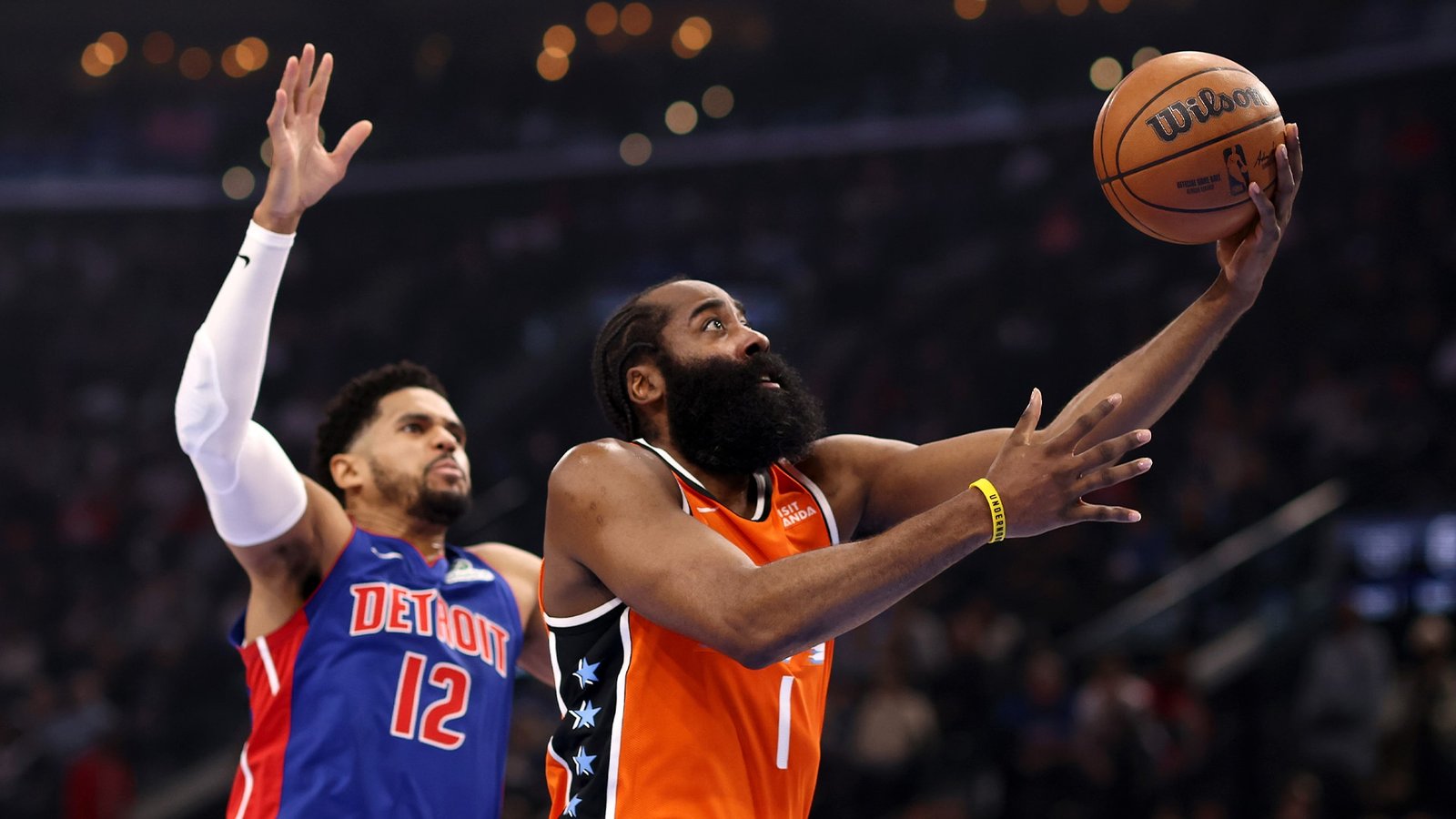
detroit pistons vs la clippers match player stats
The matchup between the Detroit Pistons and the Los Angeles Clippers may not always dominate national headlines, but when these two teams share the court, the numbers tell compelling stories. Player stats from Pistons vs Clippers games reveal far more than final scores. They highlight evolving team identities, rising stars, veteran leadership, and the strategic decisions that ultimately determine outcomes.
This article dives deeply into Detroit Pistons vs LA Clippers match player stats, breaking down performances across offense, defense, efficiency, and game impact. Every section is written to feel conversational yet informed, offering fans a detailed understanding of how individual efforts shape each contest.
Game Context and Team Mindsets Before Tip-Off
Before examining individual player stats, it’s important to understand the broader context surrounding Pistons vs Clippers matchups. These teams often enter games at very different points in their competitive cycles. Detroit is frequently in a development phase, prioritizing growth, chemistry, and long-term potential. The Clippers, on the other hand, typically focus on maximizing veteran talent and immediate results.
This contrast directly affects player stat patterns. Detroit players often see heavier usage rates among younger stars, leading to higher scoring and assist totals for primary ball handlers. The Clippers, meanwhile, distribute responsibility among experienced scorers and defenders, resulting in more balanced stat lines.
From the opening tip, the Clippers often play with composure, executing structured sets and relying on half-court efficiency. Detroit’s approach leans toward pace, creativity, and experimentation. These philosophical differences become clear once player stats are examined quarter by quarter.
Detroit Pistons Offensive Player Stats Overview
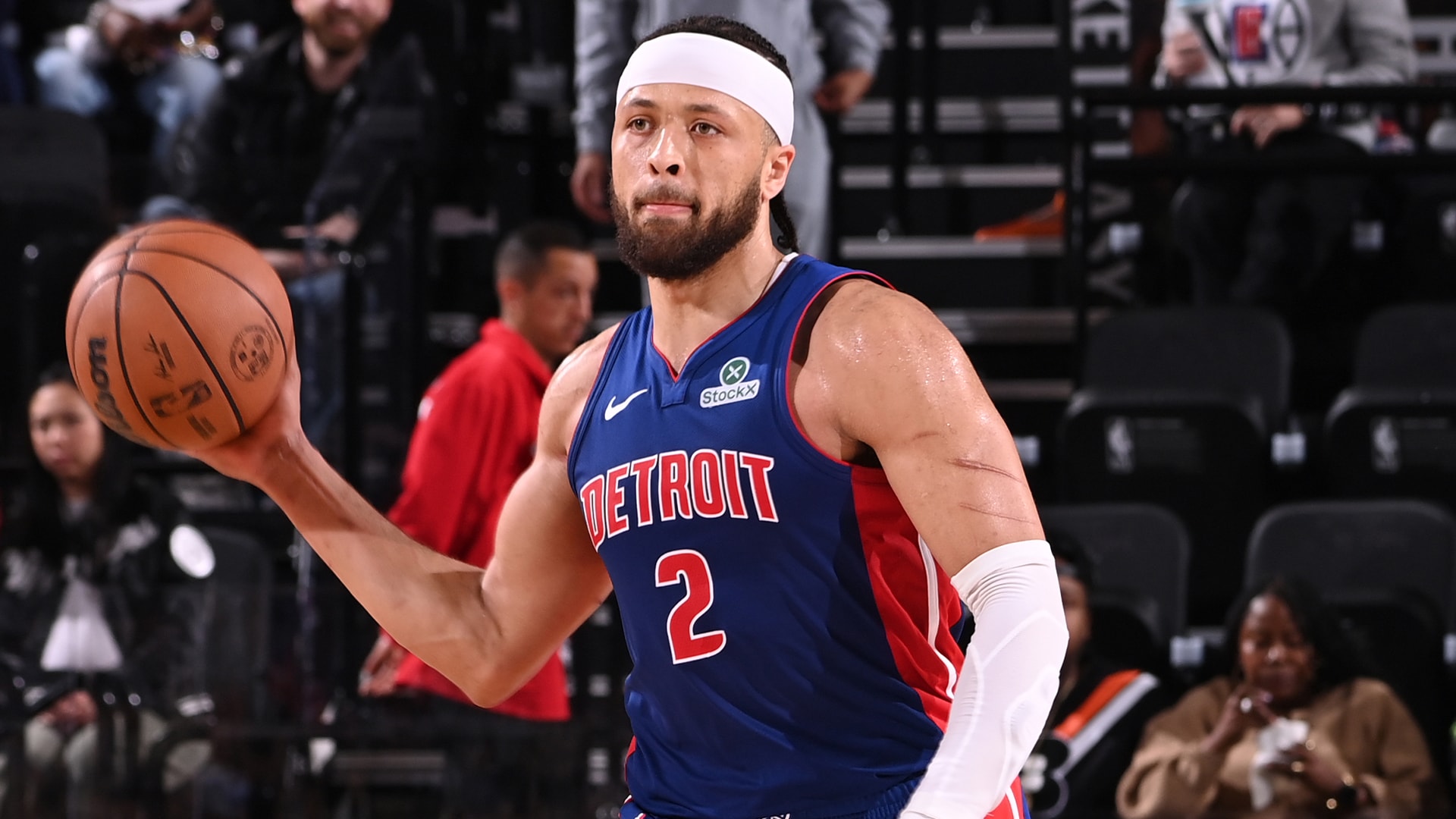
Detroit’s offensive numbers in matchups against the Clippers typically revolve around their lead guard and primary scorer. The Pistons’ offense often flows through one central figure who dictates tempo, spacing, and shot creation.
High usage rates are common for Detroit’s primary scorer, often reflected in elevated field goal attempts, assist numbers, and free-throw opportunities. These stats show a player carrying the offensive burden while learning to read elite defenses.
Secondary Pistons scorers usually contribute modest point totals but play critical roles in spacing the floor. Their three-point shooting percentages and off-ball movement help open lanes, even if their raw scoring numbers don’t always stand out.
Turnovers are another key stat for Detroit. Younger rosters tend to commit more mistakes against disciplined teams like the Clippers. When Pistons turnover numbers rise, scoring efficiency drops, and the Clippers capitalize in transition.
LA Clippers Offensive Player Stats Overview
Clippers offensive stats reflect experience and balance. Rather than one player dominating every possession, multiple Clippers players often finish games in double figures. This distribution keeps defenses guessing and prevents opponents from locking in on a single threat.
Veteran stars typically lead the team in scoring but do so efficiently. High shooting percentages, controlled shot selection, and smart shot timing show up consistently in Clippers box scores. These players rarely force shots, which keeps offensive ratings high.
Assist numbers for the Clippers often indicate strong ball movement. Guards and forwards alike contribute to playmaking, leading to steady assist totals across the lineup. This shared responsibility reduces pressure on any single playmaker.
Free-throw efficiency also stands out in Clippers stats. Veteran players draw fouls intelligently, converting opportunities at the line and stabilizing scoring during cold shooting stretches.
Star Player Breakdown: Detroit Pistons
Detroit’s star player is usually the statistical focal point of Pistons vs Clippers matchups. His scoring totals often lead all players on the court, reflecting both talent and necessity.
Points per game in these matchups frequently exceed season averages, showing that Detroit leans heavily on its star when facing elite competition. Shot attempts rise, especially in late-game situations where isolation plays become common.
Assist numbers reveal growth as a floor general. Against the Clippers’ disciplined defense, Detroit’s star often records high assist totals by exploiting help defense and finding shooters in the corners.
Rebounding stats also highlight effort. Guards and wings contribute on the boards, especially defensive rebounds, to help initiate fast breaks and prevent second-chance points.
Despite impressive numbers, plus-minus stats sometimes tell a tougher story. Even with strong individual performances, team success doesn’t always follow, showing the gap between personal excellence and collective execution.
Star Player Breakdown: LA Clippers
The Clippers’ star players bring a different statistical profile. Rather than explosive volume scoring every night, their numbers emphasize efficiency and impact.
Scoring totals are often slightly lower than Detroit’s star but come on fewer shots. This efficiency is reflected in high field goal percentages and strong three-point shooting.
Defensive stats are where Clippers stars truly separate themselves. Steals, blocks, and defensive rebounds highlight their two-way influence. These numbers don’t always dominate headlines but play a crucial role in momentum shifts.
Clutch performance stats also stand out. In close games, Clippers stars typically score efficiently in the final minutes, maintaining composure under pressure. These moments often swing outcomes despite relatively similar overall stat lines.
Backcourt Matchups and Guard Play Stats
Guard play is one of the most revealing aspects of Pistons vs Clippers matchups. Detroit guards often post high minutes and usage rates, reflecting the team’s reliance on perimeter creation.
Points and assists from Detroit’s guards show creativity and aggression, but turnover numbers remain a challenge. Clippers guards exploit these mistakes, converting steals into fast-break opportunities.
Clippers guards, by contrast, post cleaner stat lines. Assist-to-turnover ratios are usually favorable, highlighting smart decision-making. Even when scoring totals aren’t high, their impact is felt through tempo control.
Three-point shooting percentages among guards often decide momentum swings. When Detroit guards shoot efficiently from deep, games remain competitive. When Clippers guards hit timely threes, leads quickly expand.
Frontcourt Matchups and Big Man Stats
The frontcourt battle between Detroit and the Clippers reveals contrasting styles. Detroit’s big men focus on energy, rebounding, and interior scoring, while Clippers bigs emphasize positioning, defense, and efficiency.
Rebounding stats are often competitive, with Detroit sometimes edging out the Clippers due to youthful energy. Offensive rebounds provide second-chance points that keep games close.
Scoring in the paint is another key stat. Detroit bigs frequently score through putbacks and cuts, while Clippers bigs rely more on pick-and-roll finishes and short jumpers.
Defensive metrics show Clippers bigs excelling in rim protection. Blocks and altered shots reduce Detroit’s efficiency inside, forcing more perimeter attempts late in games.
Bench Player Stats and Depth Comparison
Bench production is a recurring theme in Pistons vs Clippers games. Detroit’s bench players typically see inconsistent minutes, leading to uneven stat contributions.
When Detroit’s bench scores efficiently, overall team performance improves dramatically. However, scoring droughts are common, reflected in low field goal percentages and minimal assists.
The Clippers’ bench is usually more reliable. Even without eye-catching scoring totals, role players contribute through defense, rebounding, and smart ball movement.
Plus-minus stats frequently favor the Clippers’ bench, highlighting their ability to maintain or extend leads while starters rest. This depth advantage becomes increasingly important in the second half.
Defensive Player Stats and Impact
Defensive stats often determine the flow of Pistons vs Clippers matchups. Steals, blocks, and defensive rebounds reflect effort and awareness on both sides.
Detroit’s defensive stats show flashes of brilliance but lack consistency. Steal totals may spike in certain quarters, but overall defensive ratings fluctuate.
The Clippers’ defensive numbers reveal structure and discipline. Fewer fouls, strong defensive rebounding, and timely steals disrupt Detroit’s rhythm.
Opponent shooting percentages also tell a story. Clippers defenses usually force lower efficiency from Detroit shooters, especially in the second half.
Efficiency Metrics and Advanced Statistical Insights
Beyond basic box scores, efficiency metrics offer deeper understanding. True shooting percentages highlight differences in shot selection between the teams.
Detroit’s efficiency varies widely depending on pace. Fast-paced games produce higher scoring but lower efficiency, while slower games improve shot quality.
The Clippers maintain steady efficiency regardless of tempo. Their shot selection remains disciplined, leading to consistent offensive ratings.
Assist percentages show team chemistry. Clippers stats often indicate higher assist rates, while Detroit’s numbers reflect heavier reliance on individual creation.
Clutch Time Player Stats
Clutch time stats separate contenders from developing teams. In close Pistons vs Clippers games, the final five minutes reveal stark contrasts.
Detroit’s star typically takes the majority of late shots, reflected in high clutch usage rates. Scoring totals may be solid, but efficiency often drops under pressure.
Clippers players distribute clutch responsibilities. Multiple players score, assist, or draw fouls late, resulting in balanced stat lines.
Turnovers in clutch moments heavily favor the Clippers. Detroit’s mistakes often lead to decisive scoring runs.
Coaching Influence Reflected in Player Stats
Coaching philosophies show up clearly in player statistics. Detroit’s coaching staff emphasizes development, which leads to experimental rotations and fluctuating minutes.
This experimentation results in varied stat lines, with some players posting career highs while others struggle for consistency.
The Clippers’ coaching approach focuses on execution. Player minutes are managed carefully, leading to steady production across the roster.
Timeout usage and in-game adjustments also impact stats, particularly shooting percentages after halftime.
Quarter-by-Quarter Statistical Trends
First-quarter stats often favor Detroit, as energy and pace create early scoring opportunities. High shooting volume and fast breaks boost point totals.
Second-quarter stats tend to shift toward the Clippers as bench units stabilize the game. Efficiency improves while Detroit’s scoring slows.
Third-quarter numbers frequently define the outcome. Clippers adjustments lead to improved defense and scoring balance.
Fourth-quarter stats highlight composure. Clippers efficiency rises, while Detroit’s shooting percentages often decline under pressure.
Player Matchup Adjustments Across Games
Repeated Pistons vs Clippers matchups show statistical adjustments over time. Detroit players gradually reduce turnovers and improve shot selection.
Clippers defenders adapt by closing passing lanes and forcing contested shots. These changes appear in reduced assist totals for Detroit’s primary playmaker.
Offensive spacing evolves as teams learn from previous encounters, leading to subtle but meaningful statistical shifts.
What Player Stats Reveal About Team Direction
Detroit’s player stats suggest a team on the rise. High usage, improving efficiency, and growing assist numbers point toward future success.
The Clippers’ stats indicate a team maximizing its window. Balanced scoring, strong defense, and efficient clutch play reflect win-now priorities.
These trends shape expectations for future matchups and postseason implications.
Fan Takeaways from Detroit Pistons vs LA Clippers Match Player Stats
For fans, these stats offer insight beyond wins and losses. They show which players are developing, which roles are solidifying, and where improvements are needed.
Understanding player stats enhances appreciation of the game, revealing how individual efforts contribute to team identity.
Final Thoughts: The Story Behind the Numbers
Detroit Pistons vs LA Clippers match player stats tell a story of contrast. Youth versus experience. Growth versus execution. Potential versus polish.
Every rebound, assist, and turnover adds to a broader narrative about where each franchise stands and where it’s headed.
As future matchups unfold, these stats will continue to evolve, offering fans new chapters in an increasingly intriguing NBA storyline.
You may also read
portland trail blazers vs boston celtics match player stats
dallas mavericks vs memphis grizzlies match player stats
About the Author