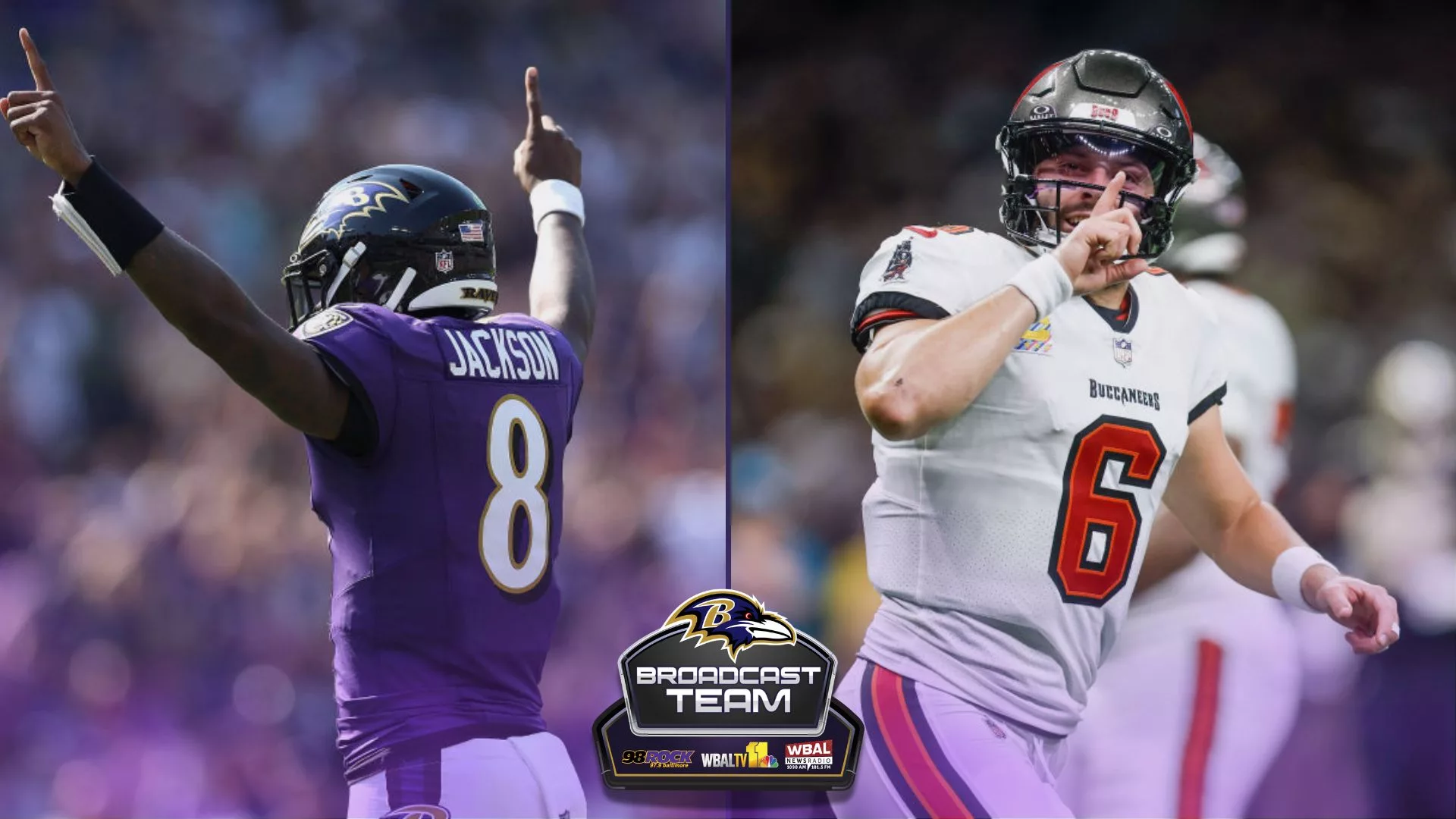
tampa bay buccaneers vs baltimore ravens match player stats
The matchup between the Tampa Bay Buccaneers and the Baltimore Ravens is one of those interconference clashes that always delivers intensity, physical football, and standout individual performances. When these two teams meet, the game often becomes a chess match between offensive creativity and defensive discipline. The most recent encounter between these franchises showcased exactly why player stats matter so much when analyzing how the game truly unfolded.
In this detailed article, we break down tampa bay buccaneers vs baltimore ravens match player stats in a way that goes far beyond the scoreboard. We’ll explore quarterback performances, rushing efficiency, receiving production, defensive impact, and the hidden statistics that shaped the final outcome. Everything is written casually, but with the insight and confidence of someone who understands NFL football deeply.
This is not just a recap — it’s a complete performance story told through numbers, trends, and expert interpretation.
Game Overview: How the Buccaneers vs Ravens Clash Unfolded

The Tampa Bay Buccaneers and Baltimore Ravens entered this matchup with very different styles but similar ambitions. Tampa Bay leaned on aggressive passing concepts and offensive flexibility, while Baltimore focused on balance, efficiency, and physical dominance. From the opening kickoff, it was clear this game would be decided by execution rather than reputation.
Tampa Bay started with strong energy, moving the ball efficiently through the air and establishing early rhythm. The Buccaneers’ offense looked confident, using tempo and spacing to challenge the Ravens’ secondary. Early scoring drives helped Tampa Bay gain momentum and keep the home crowd engaged.
Baltimore, however, responded with composure. Rather than panicking, the Ravens relied on calculated offensive drives, gradually wearing down the Buccaneers’ defense. As the game progressed, Baltimore’s ability to capitalize on key moments began to separate them, turning what started as a competitive contest into a statement win.
Quarterback Performance Comparison: Lamar Jackson vs Baker Mayfield
Lamar Jackson’s Elite Efficiency
Lamar Jackson delivered one of the most efficient passing performances of his career in this matchup. He completed a high percentage of his throws, consistently finding receivers in stride and maximizing yards after the catch. His passing numbers reflected not just volume, but incredible accuracy and decision-making.
What made Jackson’s performance special was his ability to read coverage before the snap and adjust instantly. He identified mismatches quickly and punished defensive lapses with precise throws. Touchdowns came from multiple areas of the field, showing that the Buccaneers could not lock onto one specific receiver or concept.
Beyond the stat sheet, Jackson’s calm presence elevated the entire Ravens offense. Every successful drive seemed to build confidence, and by the second half, Baltimore was playing with complete offensive control.
Baker Mayfield’s Aggressive Output
Baker Mayfield had a strong statistical night, throwing for a high yard total and delivering several impressive touchdown passes. He attacked downfield with confidence and demonstrated excellent timing with his receivers, especially during intermediate routes.
However, Mayfield’s aggressive approach also came with risks. While his passing yardage was impressive, turnovers at critical moments shifted momentum. Those mistakes didn’t erase his performance, but they did highlight the fine line between bold quarterback play and costly errors.
Despite the loss, Mayfield showed leadership and toughness. Even when facing pressure and injuries around him, he continued to compete, proving his value as Tampa Bay’s offensive leader.
Rushing Attack Breakdown: Power vs Versatility
Ravens’ Ground Dominance
Baltimore’s rushing attack was one of the defining elements of the game. The Ravens consistently gained chunk yardage on the ground, forcing the Buccaneers to adjust their defensive fronts. This commitment to the run opened up play-action opportunities and kept the defense guessing.
The Ravens’ lead running back showcased elite vision and power, breaking tackles and accelerating through gaps with ease. Every successful run not only gained yards but also drained the Buccaneers’ defensive energy, especially late in the game.
What stood out most was Baltimore’s ability to run when it mattered most. On critical downs, they trusted their ground game, controlling time of possession and maintaining offensive rhythm.
Buccaneers’ Balanced Rushing Approach
Tampa Bay’s rushing game was productive, though less dominant. The Buccaneers relied on versatility rather than brute force, using their running back in both rushing and receiving roles. This dual-threat approach allowed Tampa Bay to stay unpredictable.
While the Buccaneers didn’t match Baltimore’s rushing efficiency, they made up for it with red-zone effectiveness. Short-yardage touchdowns and well-timed runs kept the scoreline competitive for much of the game.
Ultimately, the difference came down to consistency. Tampa Bay had strong moments, but Baltimore sustained its ground success over four quarters.
Receiving Stats and Passing Targets: Explosive vs Methodical
Ravens’ Receiving Production
Baltimore’s receivers were highly efficient, turning limited opportunities into big gains. Several catches resulted in explosive plays that instantly changed field position. This ability to stretch the field forced Tampa Bay’s defense to retreat, opening up space underneath.
Tight ends and slot receivers played a crucial role, especially in red-zone situations. Their route discipline and reliable hands gave Lamar Jackson dependable targets when it mattered most.
The Ravens’ receiving stats tell a story of quality over quantity — fewer catches, but maximum impact.
Buccaneers’ Receiving Depth
Tampa Bay relied heavily on its wide receiver corps, spreading targets across multiple players. Early in the game, this approach worked well, as receivers found soft spots in coverage and created yards after the catch.
Injuries, however, disrupted the Buccaneers’ rhythm. As key receivers left the game, the passing attack became less dynamic, allowing Baltimore’s defense to tighten coverage.
Despite this, Tampa Bay’s receivers still produced impressive individual numbers, highlighting the depth and talent within the roster.
Defensive Player Stats: Where the Game Was Won
Ravens’ Defensive Playmaking
Baltimore’s defense delivered when it mattered most. Interceptions, pressure, and timely stops defined their performance. Defensive backs capitalized on quarterback mistakes, converting them into momentum-shifting plays.
The Ravens also excelled in situational defense. On third downs and red-zone plays, they forced difficult decisions, limiting Tampa Bay’s scoring opportunities.
These defensive stats don’t always jump off the page, but their impact was undeniable.
Buccaneers’ Defensive Struggles
Tampa Bay’s defense had moments of success, particularly early in the game. Pressure packages disrupted Baltimore’s timing, and early stops kept the contest close.
As the game progressed, fatigue became evident. Sustained drives and missed tackles allowed Baltimore to control the tempo, reducing the effectiveness of Tampa Bay’s defensive strategy.
The stats reflect effort, but also expose areas that need improvement moving forward.
Turnovers and Momentum Shifts
Turnovers played a massive role in determining the outcome of this matchup. Baltimore capitalized on mistakes, converting extra possessions into points. Each turnover not only changed field position but also altered emotional momentum.
Tampa Bay’s turnovers came at the worst possible times, halting promising drives and energizing the Ravens. These moments were turning points that statistics alone can’t fully capture.
In high-level football, protecting the ball is often the difference between winning and losing — and this game was a perfect example.
Special Teams Contributions
Special teams may not dominate headlines, but their influence was felt throughout the game. Both teams executed field goals efficiently, ensuring scoring opportunities weren’t wasted.
Kick coverage and returns also mattered, with Baltimore consistently starting drives in favorable field position. That advantage added up over time, contributing to their offensive success.
These subtle statistical edges often separate good teams from great ones.
Head-to-Head Statistical Trends
Looking at historical data, Baltimore has consistently performed well against Tampa Bay. The Ravens’ ability to control tempo and limit mistakes has been a recurring theme in this matchup.
Tampa Bay, while competitive, has struggled to maintain consistency against Baltimore’s physical style. Player stats across multiple meetings reveal a pattern of Ravens dominance, especially in rushing efficiency and turnover margin.
This game followed that trend closely.
Player of the Game: Statistical Justification
Based purely on stats and impact, Lamar Jackson earned the unofficial Player of the Game honor. His efficiency, touchdown production, and leadership defined Baltimore’s offensive success.
While several Buccaneers players posted impressive numbers, Jackson’s performance influenced every phase of the game. From early adjustments to late-game control, his stat line tells the story of a quarterback at the peak of his powers.
What the Stats Mean for Both Teams Moving Forward
For Baltimore, this game reinforced their identity as a balanced, disciplined team capable of explosive offense. The player stats confirm that they can win through the air or on the ground depending on the situation.
For Tampa Bay, the numbers reveal promise but also vulnerability. Offensive production remains strong, but turnovers and defensive fatigue must be addressed.
Both teams gained valuable lessons from this matchup.
Final Thoughts on Tampa Bay Buccaneers vs Baltimore Ravens Match Player Stats
When analyzing tampa bay buccaneers vs baltimore ravens match player stats, it becomes clear that this game was decided by efficiency, balance, and timely execution. Baltimore maximized every opportunity, while Tampa Bay showed flashes of brilliance mixed with costly mistakes.
The stats tell a story of two talented teams, one executing with precision and the other battling adversity. For fans and analysts alike, this matchup provided everything — star performances, strategic depth, and meaningful lessons.
This wasn’t just a game; it was a statistical showcase of modern NFL football at its finest.
You may also read
seahawks vs chicago bears match player stats
texans vs dallas cowboys match player stats
About the Author