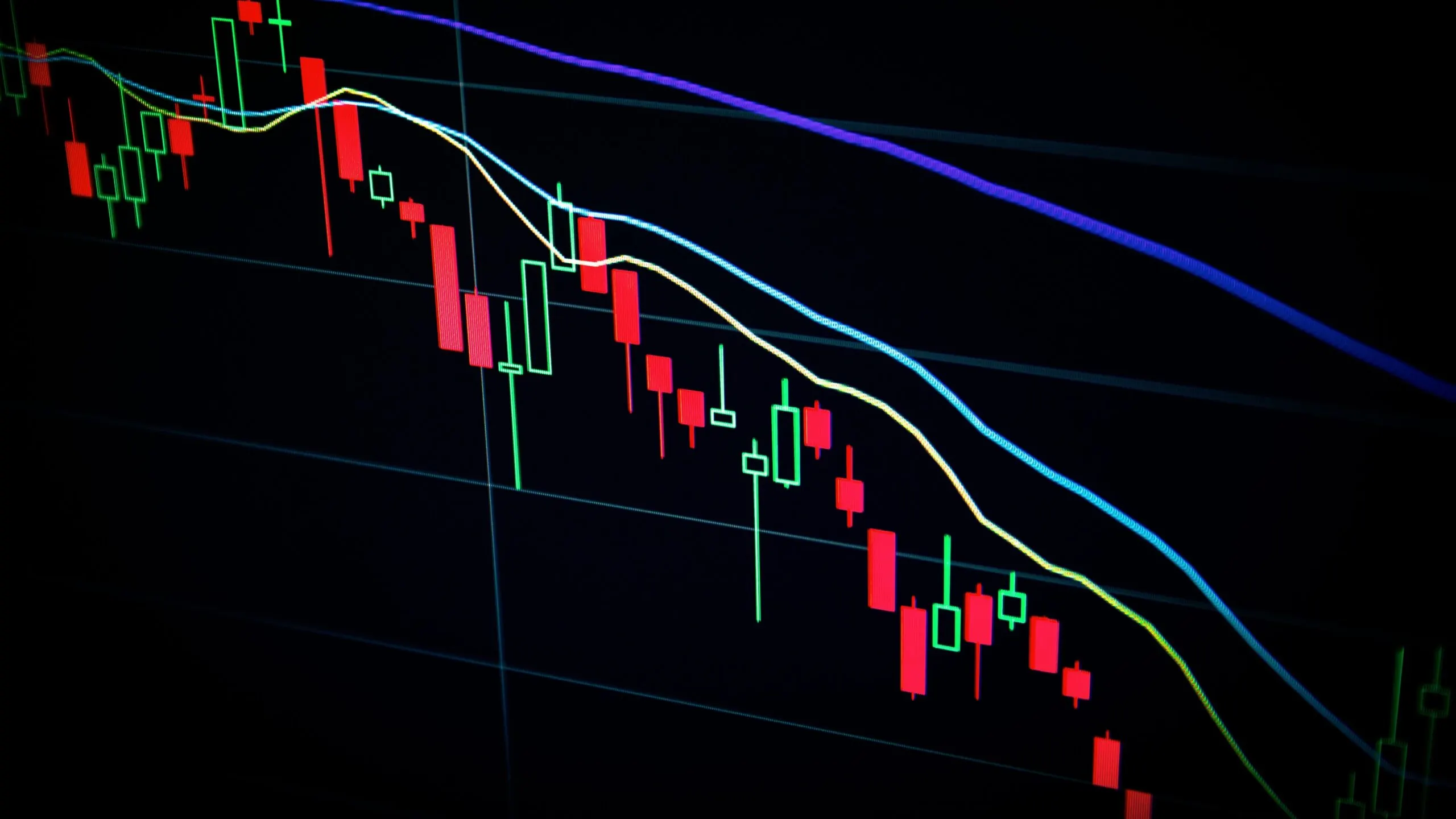
Why Did Crypto Crash
Cryptocurrency has been one of the most talked-about financial topics in the last decade. Millions of people have invested in Bitcoin, Ethereum, and many other digital coins, hoping to make big profits. However, the crypto market is very unpredictable, and it has experienced several major crashes over the years. Many investors ask, “why did crypto crash?” Understanding the reasons behind these crashes can help people make better decisions and avoid losing money. In this article, we will explore the causes, effects, and lessons from crypto crashes.
The Role of Market Speculation
One of the main reasons why crypto crashes happen is market speculation. Speculation means that people buy cryptocurrencies not because they believe in the technology or its value, but because they hope to make a quick profit. When many people rush to buy crypto, the prices go up very fast. This creates a bubble.
Bubbles are dangerous because they are not supported by real value. When some investors start selling their crypto to take profits, panic spreads. More people sell, and the price drops quickly. This is what happened during the 2017 Bitcoin surge, when the price reached almost $20,000 before crashing down to around $3,000 in 2018. Speculation creates instability and makes the market more likely to crash.
Lack of Regulation and Oversight
Another important factor behind crypto crashes is the lack of regulation. Unlike traditional financial markets, cryptocurrency markets are mostly unregulated. There is no central authority controlling the prices, monitoring trading practices, or protecting investors.
Without regulation, the market becomes vulnerable to fraud, scams, and manipulation. Large holders of crypto, known as “whales,” can influence prices by buying or selling massive amounts. When they sell, smaller investors panic, and the market crashes. Regulators in many countries are trying to catch up, but the crypto market is still risky due to its unregulated nature.
Hacking and Security Issues
Crypto exchanges and wallets are prime targets for hackers. Many crashes have been caused by security breaches and theft. For example, in 2014, Mt. Gox, one of the largest Bitcoin exchanges, was hacked, and around 850,000 Bitcoins were stolen. The news caused a huge panic, and Bitcoin prices dropped drastically.
Security problems make investors lose confidence. Even rumors of hacking can trigger a crash. Since crypto transactions are irreversible, people cannot get their money back once it is stolen. This lack of safety adds to the volatility of the market and explains why crypto can crash suddenly.
Economic and Global Factors
Global economic events also play a major role in crypto crashes. Cryptocurrency is not tied to any government, but it is still affected by world markets. When traditional financial markets experience crises, investors may sell crypto to cover losses elsewhere.
High inflation, rising interest rates, or economic recessions can make investors avoid risky assets like crypto. For example, during the COVID-19 pandemic, Bitcoin first dropped sharply as investors sold assets for cash. Understanding the broader economic environment can help explain sudden drops in crypto prices.
Influence of Media and Social Networks
Media and social networks are very powerful in the crypto world. News about regulations, scams, or high-profile endorsements can move the market dramatically. Positive news can make prices skyrocket, while negative news can lead to crashes.
Social media influencers and celebrities often promote crypto projects. When these promotions end or are exposed as false, investors panic and sell their holdings. This shows how media hype and online discussions can cause extreme swings in the crypto market.
Overleveraging and Margin Trading
Many traders use borrowed money to invest in crypto, which is called leveraging. Leveraging allows investors to make bigger profits but also increases risk. When prices drop, investors cannot repay their loans, and exchanges may automatically sell their crypto to recover money.
This selling adds more pressure on the market and can trigger a crash. Overleveraging is a common reason for sudden and deep crypto declines. It shows that high-risk trading strategies can make the market more fragile.
Fear, Uncertainty, and Doubt (FUD)
Crypto markets are strongly influenced by emotions. Investors often react to fear, uncertainty, and doubt, known as FUD. Negative rumors, uncertain regulations, or warnings from authorities can create panic.
When people fear losing their money, they sell their crypto quickly. This leads to a chain reaction where more people sell, and the price falls sharply. Emotional trading is a big reason why crypto markets are so volatile and why crashes can happen quickly.
Technological Failures
Sometimes, crypto crashes are caused by technological failures. Blockchain networks can face bugs, slowdowns, or protocol errors. If the technology behind a cryptocurrency fails, investors lose trust and sell their holdings.
For example, a major bug in a smart contract can cause a token’s value to drop rapidly. The crypto market depends heavily on technology, and any failure can have a large impact on prices.
Lessons Learned from Crypto Crashes
Crypto crashes teach important lessons for investors. The first lesson is to avoid speculation. Investing in crypto without understanding the technology or market trends can be very risky. Second, investors should protect their assets by using secure wallets and exchanges.
Diversifying investments is also important. Putting all money in one cryptocurrency can lead to huge losses during a crash. Finally, understanding global economic trends and regulations can help investors make better decisions. Learning from past crashes is essential for anyone participating in the crypto market.
How to Protect Yourself from Crypto Crashes
Protecting yourself from crypto crashes requires planning and careful strategy. Avoid investing more than you can afford to lose. Research the cryptocurrency you are investing in and avoid hype-driven purchases. Use secure wallets and exchanges to reduce the risk of theft.
It is also helpful to keep track of news and global economic trends. Understanding the bigger picture can prepare you for sudden market movements. By staying informed and cautious, investors can survive crypto crashes and continue to participate in the market safely.
The Future of Cryptocurrency
Despite frequent crashes, cryptocurrency continues to attract investors. Technology is improving, and some countries are working on regulations to make the market safer. Experts believe that crypto will continue to grow, but volatility will remain a major feature.
Investors should be prepared for both gains and losses. Crashes are part of the crypto market cycle, and they often provide opportunities for informed investors to buy at lower prices. Understanding why crypto crashes helps people make smarter choices and manage risks effectively.
Conclusion
The question “why did crypto crash” has many answers. Market speculation, lack of regulation, hacking, economic factors, media influence, overleveraging, emotional trading, and technological failures all contribute to crypto crashes. While these events can be stressful, they also provide lessons for investors to become more cautious and informed.
Cryptocurrency is exciting but unpredictable. By understanding the reasons behind crashes and following best practices, investors can protect their money and take advantage of the opportunities that the crypto market offers.
FAQs
Why does cryptocurrency crash so often?
Cryptocurrency crashes happen often because the market is very volatile, driven by speculation, emotions, and global events. Lack of regulation and security issues also contribute to frequent crashes.
Can a crypto crash happen suddenly?
Yes, crypto crashes can happen very suddenly. Even small news, rumors, or large sell-offs by big investors can trigger a fast drop in prices.
How can I protect my investments from a crypto crash?
To protect investments, avoid investing more than you can afford to lose, use secure wallets and exchanges, research before buying, and diversify your portfolio.
About the Author